Showing posts with label HEALTH INFO. Show all posts

Friday, 11 January 2013

INCONTINENCE


Urinary incontinence

Urinary incontinence refers to involuntary urine leakage from the bladder. Women are more likely to be affected than men. It is also more common in older people. However it should never be considered as a normal part of the ageing process. It is always a symptom or sign of an underlying problem.

There are different types of urinary incontinence:

Stress incontinence - leakage of small amounts of urine when sneezing, coughing, laughing, straining or lifting
Urge incontinence - associated with a sudden strong urge to urinate
Functional incontinence - resulting from problems such as poor mobility or dexterity, loss of memory or environmental factors.

Relevant topics :

Sunday, 10 June 2012

25 ALTERNATIVES FOR OLIVE OIL


Olive oil contents healthful, monounsaturated fats, like oleic acid, and polyphenols. The fruit oil practically propelled the entire Western world in antiquity, and is mentioned in nearly every sacred text this side of the Tigris and Euphrates.

Olive oil also has plenty of uses around your home, outside of the sauté pan. There’s no need to waste your expensive Greek or Spanish Extra Virgin for these tasks, just grab a bottle of inexpensive, domestic olive oil for around-the-house use. 

1. Shave. 
Olive oil can provide a safe and natural lubricant for a close shave. Rub in an extra teaspoon after washing your body or face once finished.

2. Wood Furniture Polish. 
Wipe with a teaspoon of olive oil and a soft rag. Add a bit of vinegar of citrus juice to bulk up the cleaning power, and add a fresh scent.

3. Fingernails. 
Use a bit of olive oil to moisturize cuticles, or mix oil and water and soak your hands before a manicure.

4. Lubricate Measuring Cups and Spoons. 
Rub or spray olive oil on your measuring tools for easy clean-up of sticky substances like honey, grain mustards, and sugar syrups,

5. Control hair frizz. 
Comb a bit of olive oil through dry hair to tame the frizz and flyaways on humid days or in the winter.

6. Free a stuck zipper. 
Use a cotton swab to apply olive oil to the teeth of a zipper, then gently ease the tab down.

7. Care for your kitty. 
Add a teaspoon of olive oil to your cat’s food to help prevent hairballs, and provide a shiny coat.

8.  DIY Lip balm. 
Mix olive oil and melted beeswax in a 1:1 ratio, with an essential oil for fragrance, and say goodbye to dry and chapped lips.

9. Stop Snoring. 
Take a sip of olive oil before heading to bed. It might lubricate your throat muscles, and stop yourself, or your partner, from snoring.

10. Shine stainless steel and brass. 
Rub a bit of olive oil on a clean rag to prevent streaks, corrosion, and tarnish.

11. Exfoliate your face and hands. 
Rub your skin with olive oil, then scrub with sugar or coarse salt, and rinse.

12. As you bathe. 
Add a few tablespoons of olive oil to your running bath water. You’ll be amazed when you towel off.

13. Remove makeup. 
Dab a bit under your eyes, on your cheeks and forehead, then wipe with a damp cloth.

14. Cure an earache. 
Very carefully, use a cotton swab to apply olive oil to the outside ear cavity to help with earaches and excess wax.

15. Remove paint from your skin. 
Rub on olive oil onto messy hand and arms (or faces) and allow the oil to soak into the skin for five minutes, then rinse with soap and water.

16. Treat lice. 
Apply olive oil to your youngster’s hair, and leave on for at least 40 minutes. Shampoo twice, then apply a preventative.

17. Stop a throat tickle. 
Take a sip of olive oil to stop the itchy flicker that is making you cough.

18. Fix a squeaky door. 
Use a rag or cotton swab to apply olive oil to the top of a problematic hinge in your home or automobile. 

19. Shoe polish. 
Rub down your shoes with just a spray of olive oil to maintain their shine.

20. Personal Lubricant. It works…

21. Soften your skin. 
Rub olive oil daily on notoriously dry areas, such as your feet or elbows, especially after a shower, shaving, or waxing.

23. Condition leather. 
Rub olive oil into worn leather, such as a baseball glove, and let set for 30 minutes, then wipe away any excess.

24. As a hair tonic. 
Comb some olive oil through your hair for the vintage look of pomade without the build-up, or add a bit to wet hair for grungy, but clean, look.

25. Cure diaper rash. Gently wipe on olive oil to your baby’s bottom to help with the irritation of diaper rash.

Relevant entries :


Tuesday, 5 June 2012

Titik Refleksi (titik pusat urat saraf) di tapak kaki


Tapak kaki dilengkapi dengan kejuruteraan berstruktur yang amat menakjubkan. 

Tetapi kalau kita terus menerus `menindas' kaki, misalnya dengan menyarung kasut yang tidak sesuai, berdiri berjam-jam dan sebagainya, lama-kelamaan kaki akan mengalami tekanan berlebihan.

Kesannya bukan sahaja pada kaki tetapi boleh menjejaskan kesihatan tubuh secara keseluruhan seperti sakit leher, lutut dan belakang. Sebilangan besar kesakitan yang dirasai pada anggota tubuh tersebut adalah berpunca daripada fungsi kaki yang terjejas. 


Kaki adalah anggota yang sangat kompleks merangkumi 26 tulang, 57 sendi, 107 ligamen dan 19 otot. Ketidakselesaan pada telapak dan tulang kaki boleh menyebabkan pelbagai jenis penyakit seperti sakit pinggang, bahu, tengkuk dan sembelit kerana kesihatan kaki memberi kesan besar terhadap organ dalaman individu. 

Rawatan refleksologi kaki membantu individu mencapai tahap kesihatan yang lebih berkualiti kerana ia disifatkan sebagai terapi alternatif dengan mengaplikasi urutan pada titik tertentu di tapak kaki. 

Refleksologi juga merupakan rawatan yang berguna untuk kesihatan badan kerana kajian membuktikan ia berupaya mengurangkan tekanan dan mempengaruhi sistem saraf utama supaya kembali kepada kadar yang optimum. Ilmu refleksologi ialah urutan pada titik refleksi yang terdapat di sekitar tapak kaki pesakit. Cara pengubatan ini berasal dari China dan telah diamalkan beribu tahun lamanya sebelum berkembang ke seluruh dunia. Antara keistimewaan pengubatan secara urut refleksi ini adalah ia selamat namun rasa sakit merupakan penunjuk kepada masalah kesihatan tubuh badan anda. 

Maksud Titik Refleksi adalah ‘titik pusat urat saraf’. Setiap titik ada kaitan dengan organ tubuh tertentu, jadi dengan mengurut bahagian refleksi akan melancarkan perjalanan darah pesakit. Setiap titik urutan pada tapak kaki mampu melancarkan pengaliran darah sekali gus memelihara anggota tubuh yang lain misalnya urutan pada tengah tapak kaki berkesan untuk merangsang tindak balas terhadap kawasan refleks adrenal dalam tubuh selain membantu melancarkan sistem penghadaman. 

Urutan Refleksologi Kaki Jari Timoré ini sesuai kepada semua peringkat umur selain memberi kesegaran berpanjangan. Rawatan berkenaan juga membantu meningkatkan daya ketahanan diri dan menambah keselesaan ketika bergerak. Setiap tekanan pada kedua-dua belah tapak kaki akan dilakukan berulang iaitu tiga hingga lima kali. Tekanan pada 30 titik urutan ini mewakili pelbagai organ dalam badan antaranya hati, pundi kencing, jantung, lutut, siku, tulang belakang, dubur dan kerongkong. 

Urutan ini juga sesuai bagi warga tua yang mengalami sakit sendi dan sengal tulang kerana ia mengembalikan semula kedudukan lengkungan tulang pada tapak kaki yang tidak sejajar selain sesuai kepada wanita yang gemarkan aktiviti lasak. Kebiasaannya masalah kaki tidak dapat dikesan dalam tempoh singkat dan kesakitan mula dirasai apabila usia mencecah 30 tahun. Kesakitan kaki mempengaruhi fungsi asas kaki selain membataskan pergerakan. 

Secara ringkas, kelebihan rawatan refleksologi kaki berupaya :- 

Melancarkan pengaliran darah 

Meningkatkan daya tahan individu 

Mengurangkan risiko tulang reput 

Melancarkan pergerakan 

Menguatkan otot kaki 

Menguatkan tulang dan pinggul 

Mengurangkan risiko sakit sendi 

Mengurangkan kencing tidak lawas 

Mengurangkan rasa letih 

Mengelak risiko sembelit 

Mengurangkan masalah usus 

Mengurangkan masalah pada bahagian peranakan.


Entri berkaitan :

> ----- HOW TO PRESS THE EFFECTED POINT IN YOUR PALM

Allah mengurniakan pahala/ganjaran untuk sesiapa berjalan kaki ke masjid untuk solat berjemaah. Dari sudut kesihatan berjalan kaki ke masid (lima kali sehari atau sekurang-kurang dua kali sehari untuk solat subuh dan solat maghrib berjemaah) boleh menyembuhkan penyakit-penyakit tertentu.

Penyakit-Penyakit Yang Boleh Sembuh Dengan Berjalan Kaki

1. Serangan Jantung

Berjalan kaki boleh mengurangkan risiko serangan jantung. Otot jantung memerlukan aliran darah lebih deras (dari pembuluh koroner ) agar segar dan berfungsi normal mengepam darah tanpa henti. Berjalan dengan cepat boleh mengalirkan darah ke dalam jantung. Dengan sering berjalan , kolesterol baik (HDL) yang bekerja sebagai spans penyerap kolesterol (LDL) akan meningkat dengan berjalan kaki tergopoh-gopoh.

2. Stroke

Satu kajian dilakukan kepada 70 ribu pesakit di Harvard School of Public Healthyang bekerja sambil berjalan kaki sebanyak 20 jam dalam seminggu, hasilnya risiko diserang stroke menurun hingga dua pertiga.

3. Membakar Lemak

Berjalan kaki akan meningkatkan metabolisme tubuh, membuang kalori berlebihan dan membakar lemak.

4. Melangsingkan Badan

Lakukan berjalan kaki secara rutin selama satu jam sekurang-nya dalam sehari.

5. Kanser

Gejala kanser akan lenyap dengan sendirinya jika kita rajin berjalan kaki. Kanser yang dimaksudkan adalah jenis kanser usus besar (colorectal carcinoma). Kita tahu, bergerak badan ikut melancarkan peristaltik usus, sehingga buang air besar lebih lancar. Kanser usus dicetuskan oleh najis tertahan lama dalam saluran pencernaan. Sementara dalam satu kajian lain, berjalan boleh menurunkan risiko terkena kanser payudara.

6. Mencegah Osteoporosis

Berjalan kaki menguatkan otot-otot badan, rangka dan tulang di dalam tubuh, sekaligus mencegah osteoporosis. Pengambilan vitamin D dan kalsium yang banyak tidak memadai, tubuh memerlukan gerak badan dan memerlukan sekurang-kurangnya 15 minit dibawah sinar matahari pagi.

7. Mencegah Kencing Manis

Brisk-walking kira-kira 6 km sejam, dalam tempuh sekitar 50 minit, mampu mencegah berkembangnya diabetes type 2, khususnya pada mereka yang bertubuh gemuk (National Institute of Diabetes and Gigesive & Kidney Diseases).

8. Mengurang Depresi

Brisk-walking boleh menggantikan ubat anti depresi.


Sunday, 20 May 2012

BRAIN DAMAGING HABITS

The human brain isn't the prettiest of sights. It's made of approximately 100 billion nerve cells called neurons. The cortex, or outer covering, can be seen here, and is folded to allow the large surface area of the brain to fit in the skull.

The average human brain is about 2 percent of body weight and is typically beige, pink and off-white in color.

There are four main lobes on the exterior of the brain: 
frontal (thoughts), temporal (smell and sound), parietal (sense processing) and occipital (sight). 

An underside view of the brain showing lobes and also the pons that relays brain signals, the cerebellum that handles motor control and the olfactory bulb that assists in the perception of odors.

If you were to slice the brain in half, you would see these internal parts :

The corpus callosum plays the important role of connecting the left and right cerebral hemispheres. The anterior commissure is part of the path for pain, the midbrain is a part of the central nervous system and the medula deals with autonomic, involuntary functions such as breathing and heart rate. See the next page to view a real half of a human brain.

The cingulate sulcus is a brain fold. 


Brain neurons contain a cell body, an axon, or cable-like projection, and dendrites, 
which are nerve endings. 

Neurons have different shapes depending on their functions. Interneurons carry information between motor and sensory neurons. Sensory neurons carry information to the central nervous system. Motoneurons carry signals from the central nervous system to the muscles, skin, and glands and pyramidal neurons are involved with motor control and cognitive ability. 


A colored MRI scan of the brain, with the brain stem in the lower right in blue. 
The brain stem regulates the central nervous system, sleep cycles and cardiac and respiratory function. 


Note : From General Knowledge Face Book : Top 10 Brain Damaging Habits :-

1.   No Breakfast : People who do not take breakfast are going to have a lower blood sugar level. This 
      leads to an insufficient supply of nutrients to the brain causing brain degeneration.

2.   Overeating  :  It causes hardening of the brain arteries, leading to a decrease in mental power.

3.   Smoking  :  It causes multiple brain shrinkage and may lead to Alzheimer disease.

4.   High Sugar Consumption : will interrupt the absorption of proteins and nutrients causing 
      malnutrition and may interfere with brain development.

5.   Air Pollution  :  The brain is the largest oxygen consumer in our body. Inhaling polluted air 
      decreases the supply of oxygen to the brain, bringing about a decrease in brainefficiency .

6.   Sleep Deprivation : Sleep allows our brain to rest. Long term deprivation from sleep will 
      acceleratethe death of brain cells.

7.   Head Covered While Sleeping  :  Sleeping with the head covered increases the concentration of 
      carbon dioxide and decrease concentration of oxygen that may lead to brain damaging effects.

8.   Working Your Brain During Illness  :  Working hard or studying with sickness may lead to a 
      decrease in effectiveness of the brain as well as damage the brain.

9.  Lacking in Stimulating Thoughts :  Thinking is the best way to train our brain, lacking in brain 
     stimulation thoughts may cause brain shrinkage.

10. Talking Rarely :  Intellectual conversations will promote the efficiency of the brain.

Note : 14 Simple Ways to Super Charge Your Brain : -


1) Eat Almonds

Almond is believed to improve memory. If a combination of almond oil and milk is taken together before going to bed or after getting up at morning, it strengthens our memory power. Almond milk is prepared by crushing the almonds without the outer cover and adding water and sugar to it.

2) Drink Apple Juice

Research from the University of Massachusetts Lowell (UML) indicates that apple juice increases the production of the essential neurotransmitte r acetylcholine in the brain, resulting in an increased memory power.

3) Sleep well

Research indicates that the long-term memory is consolidated during sleep by replaying the images of the experiences of the day. These repeated playbacks program the subconscious mind to store these images and other related information.

4) Enjoy simple Pleasures

Stress drains our brainpower. A stress-ridden mind consumes much of our memory resources to leave us with a feeble mind. Make a habit to engage yourself in few simple pleasures everyday to dissolve stress from your mind. Some of these simple pleasures are good for your mind, body and soul.

5) Fast for a day

Fasting cleans and detoxifies our body. It is known fact that heavy food not only causes stress on our digestive system but also drains our brainpower. Fasting relieves toxic emotions such as anger, grief, worry, and fears - before they accumulate and cause disease. By cleansing toxic emotions, fasting strengthens metal clarity with increases memory, concentration, creativity and insight.

6) Exercise your mind

Just as physical exercise is essential for a strong body, mental exercise is equally essential for a sharp and agile mind. Have you noticed that children have far superior brainpower than an adult does? Children have playful minds. A playful mind exhibits superior memory power. Engage in some of the activities that require your mind to remain active and playful.

7) Practice Yoga or Meditation

Yoga or Meditation relives stress. Stress is a known memory buster. With less stress, lower blood pressure, slower respiration, slower metabolism, and released muscle tension follows. All of these factors contribute significantly towards increases in our brainpower.

8) Reduce Sugar intake

Sugar is a non-food. It’s a form of carbohydrate that offers illusionary energy, only to cause a downhill slump once the initial burst has been worn off. Excess intake of sugar results in neurotic symptoms. Excess sugar is known to cause claustrophobia, memory loss and other neurotic disorders. Eat food without adding sugar. Stay away from sweet drinks or excess consumption of caffeine with sugar.

9) Eat whole wheat

The whole wheat germs contain lecithin. Lecithin helps ease the problem of thehardening of the arteries, which often impairs brain functioning.

10) Eat a light meal in the night

A heavy meal at night causes tossing and turning and a prolonged emotional stress while at sleep. Eating a light meal with some fruits allows us to sleep well. A good night sleep strengthens our brainpower.

11) Develop imagination

Greeks mastered the principle of imagination and association to memorize everything. This technique requires one to develop a vivid and colorful imagination that can be linked to a known object. If you involve all your senses - touching, feeling, smelling, hearing and seeing in the imagination process, youcan remember greater details of the event.

12) Sex

Our sexual imagination often empowers our ability to daydream, which strengthens our brainpower with greater imagination, visualization and association.

13) Control your temper

Bleached food, excess of starch or excess of white bread can lead to nerve grating effect. This results in a violent and some time depressive behavior. Eat fresh vegetables. Drink lots of water and meditate or practice yoga to relieve these toxic emotions of temper and violent mood swings.

14) Take Vitamin B-complex

Vitamin B-complex strengthens memory power. Eat food and vegetables high in Vitamin B-complex. Stay away from the starch food or white bread, which depletes the Vitamin B-complex necessary for a healthy mind.


Friday, 18 May 2012

HOW TO PRESS THE EFFECTED POINT IN YOUR PALM


~  Press with thumb for 5 seconds in the affected point

~  Then release for 3 seconds.

~  Repeat for 2-3 minutes for 5 to 10 days.

~  You will get relief.....insya Allah

Relevant entry 
> ----- Titik Refleksi (titik pusat urat saraf) di tapak kaki


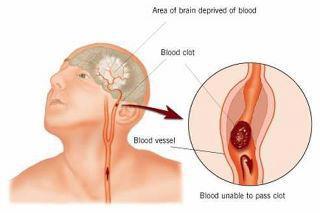
STROKE.....HOW TO SAVE SOMEONE'S LIFE


You can Save someone's life ....

STROKE  : Remember The 1st Three Letters... S.T..R ...


SMILE                         - Ask the individual to smile
TALK                          -  Ask the person to speak simple sentences
RAISE BOTH ARMS -  Ask the individual to raise both arms

If the individual has trouble with ANY ONE of these tasks, call the ambulance and describe the symptoms to the dispatcher.

NOTE :

Another 'sign' of a stroke is :


Ask the person to 'stick' out their tongue. If the tongue is 'crooked', if it goes to one side or the other that is also an indication of a stroke.

Type D personality may hunt your health


Doctors need to focus on their heart patients' psychological well-being in addition to their physical well-being, suggests a new study in the journal Circulation.

According to the research, patients with what's known as a "type D" personality -- meaning a distressed and generally pessimistic outlook on life -- may be more likely to face poor health after having an implantable cardioverter defibrillator (ICD) put in place than other patients with the same device.

An ICD monitors the heart and shocks it back on course if its rhythm becomes life-threatening.

"In my opinion, screening patients would be a worthwhile endeavor, as it will provide important information to health care professionals managing and caring for ICD patients on the patient's psychological vulnerability," researcher Susanne Pedersen, PhD, tells WebMD in an email.

Pedersen, a psychologist at Tilburg University in the Netherlands, and her colleagues followed 383 patients -- nearly 80% of them men -- for a year. Each participant completed a health questionnaire to assess their health before being fitted with an ICD. The participants were also evaluated psychologically to determine whether they had a type D personality.

Type Ds Are High-Risk Patients

Type Ds have a lot of negative emotions and tend to keep the emotions to themselves. Nearly a quarter of the patients enrolled in the study had a type D personality.

At three-month intervals, the participants re-evaluated their health using the same questionnaire they were given at the beginning of the study.

By the end of the study period, the researchers were able to show that those with a type D personality had significantly lower health scores than those without the distressed personality. Type D defibrillator patients reported greater difficulty performing everyday tasks, functioning at work, and interacting with others. They also suffered more from severe and debilitating pain.

The researchers also studied the reports of patients whose ICDs had delivered a shock to them during the year-long period. Overall, about 14% of all patients enrolled in the study experienced a shock. While the health rating scores of such patients were as much as 13 points lower than other patients, Pedersen and her team found that type D patients who received a shock scored as many as 30 points lower.

Patient Counseling and Psychological Intervention Likely to Help

Pedersen says it's important for doctors to emphasize to their patients that the majority of people who need an ICD do well with the device. But it is also essential that patients, particularly those with type D personalities, understand that their outlook on life will influence how they fare.

"Heart disease and receiving an ICD are major life events, but it is possible to lead a normal life with an ICD, and the art is to engage in activities that are important to patients and from which they derive joy and happiness," says Pedersen. "This may be easier said than done, but being aware of it and working on it, if necessary with the help of health care professionals, can provide patients with a full life, with a good quality of life."

Cardiologist Byron Lee, MD, a defibrillator specialist at the University of California San Francisco Medical Center, agrees with Pedersen that doctors, including himself, need to take into account their ICD patients' psychological well-being.

"We're so focused on the body and its diseases that we don't pay enough attention to their state of mind before or after their procedure," say Lee, who was not involved in the research. "This study underscores the need to pick up on this, and it shows that that can be done with very simple questionnaires."

Lee says that such screening could lead to psychological interventions aimed at relieving a patient's emotional distress before that distress causes real harm.